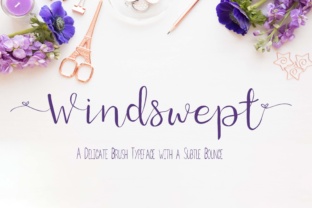
Windswept and the Pursuit of Meaningful Minimalism
There is a quiet but noticeable shift happening across design, work, and everyday life. The polished, overproduced look that dominated the past decade is giving way to something rawer, more honest, and deeply human. This sensibility, often described as Windswept, is not about neglect or chaos. It is about embracing natural rhythms, visible wear, and the beauty of imperfection. For creators, professionals, and entrepreneurs, this approach offers a refreshing alternative to the relentless pressure of perfection. It speaks to a growing desire for authenticity in a world saturated with carefully curated images and sterile workflows.
Understanding Windswept and Its Core Appeal
At its heart, Windswept is a philosophy that values authenticity over polish. It draws inspiration from natural landscapes where wind, weather, and time leave their mark. Think of the weathered grain of driftwood, the patina on an old copper roof, or the organic lines of a path worn by countless footsteps. These are not random imperfections; they are meaningful traces of life and use. In a professional context, this translates to accepting that not every project needs to be flawless, not every process needs to be optimized, and not every output needs to be pristine.
Why is this relevant now? Because the pendulum has swung too far toward artificial perfection. From airbrushed photos to cookie-cutter branding templates, audiences have grown skeptical of the too-perfect facade. They crave realness. Windswept meets this need by celebrating the genuine, the unvarnished, and the lived-in. It is not anti-design or anti-quality. Rather, it is a call to design with intention while letting go of excessive control. For marketers, this means campaigns that feel more like conversations than advertisements. For creators, it means work that expresses their true voice instead of following trends.
The Windswept Aesthetic in Creative Work
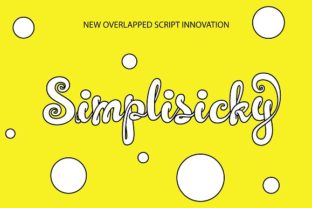
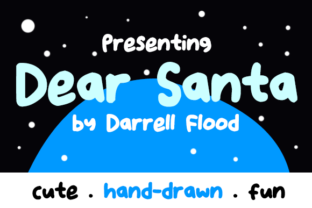
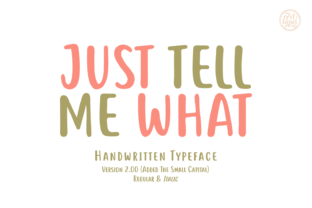
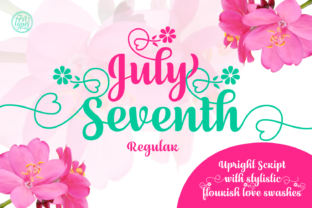
Consider the difference between a perfectly symmetrical logo and one that feels slightly asymmetrical, as if drawn by hand. The latter carries warmth and personality. In web design, a Windswept approach might mean using simpler layouts, leaving visible brushstrokes in illustrations, or choosing typefaces that have organic, uneven strokes. This is not laziness. It requires an editorial eye to know which imperfections add value and which simply distract. A weathered texture on a landing page can signal trustworthiness, while a clunky navigation system undermines usability. The key is purposeful imperfection, not carelessness.
For writers and bloggers, Windswept encourages a conversational tone over corporate jargon. It favors short, direct sentences that feel spoken rather than written. It allows for unfinished thoughts, questions without immediate answers, and a willingness to show the messy process behind the final product. This builds deeper connection with readers because it mirrors real human communication.
How Windswept Reflects Changing Creative and Professional Habits
The rise of remote work, side hustles, and independent creators has reshaped how people think about productivity and output. Traditional office culture demanded constant polish: everything had to look presentable, every meeting had to be buttoned up. But the modern professional juggles multiple roles and often works in fluid, non-linear ways. Windswept aligns naturally with this reality. It acknowledges that creativity is rarely tidy. Ideas emerge from brainstorming sessions that look messy, prototypes fail before they succeed, and the best content often comes from spontaneous moments, not rigid schedules.
This is especially true for entrepreneurs and small business owners. They cannot afford to spend weeks perfecting a single product page or social media post. Instead, they adopt a Windswept workflow: launch quickly, gather feedback, and iterate based on real use. The initial version may have rough edges, but it is functional and authentic. Over time, the product or service becomes refined through actual user interaction, not abstract perfection. This mirrors the natural process of wind and water shaping a landscape—slow, cumulative, and responsive to its environment.
- Less overthinking, more doing – Imperfection removes the barrier of needing everything to be perfect before starting.
- Faster iteration cycles – Real feedback replaces guesswork, leading to better outcomes over time.
- Lower stress for creators – Letting go of unrealistic standards preserves energy for what matters most.
The Windswept Mindset in Digital Marketing
Digital audiences are bombarded with ads, emails, and notifications. They have developed what some call content blindness—the ability to ignore anything that feels manufactured. Windswept marketing cuts through this noise by being deliberately unpolished. A brand that shows behind-the-scenes bloopers, shares customer reviews verbatim (even when they are not glowing), or posts raw video footage builds trust faster than a perfectly produced commercial. This approach works because it signals confidence. The brand is not hiding its flaws; it is owning them.
For bloggers and educators, Windswept means sharing incomplete insights or posing questions without definitive answers. This invites the audience into a dialogue rather than a monologue. It transforms content from a one-way broadcast into a collaborative exploration. In an era where people are skeptical of authority and hungry for genuine exchange, this is a powerful shift.
Why Windswept Resonates in an Era of Digital Overload
Our screens are filled with hyper-optimized content: flawless Instagram feeds, perfectly timed LinkedIn posts, and AI-generated copy that reads a little too smoothly. While these tools have their place, they also create a sense of distance. Nothing feels human anymore. Windswept cuts through this by reintroducing tactile authenticity. It reminds us that real life is messy, unpredictable, and beautiful because of that messiness. This is not nostalgia; it is a coping mechanism for digital fatigue.
The trend toward slow living, digital minimalism, and intentional consumption all share roots with the Windswept philosophy. People are choosing fewer but better things. They want products that age gracefully, tools that get out of the way, and experiences that feel genuine. For product designers, this means building for durability over trend cycles. For service providers, it means transparent pricing and honest communication. The Windswept approach does not rely on gimmicks. It relies on substance and integrity.
Practical Implications for Everyday Life
Adopting a Windswept sensibility does not require a complete lifestyle overhaul. It can start small. A photographer might choose to publish a series of unedited shots that capture a fleeting mood rather than waiting for perfect lighting. A freelance writer might send a draft with a note about what they are still unsure about, inviting the client to collaborate on the final version. A small business owner might share a story about a recent mistake and what they learned from it, rather than curating a faultless brand image.
- In personal branding – Share your learning process, not just your successes.
- In product design – Leave visible traces of craftsmanship, like exposed stitching or raw materials.
- In communication – Use natural language, even in formal settings. It feels more human.
- In goal setting – Focus on consistent progress rather than obsessive optimization.
The Windswept Approach to Business and Branding
Brands that embrace Windswept principles often outperform their sterile competitors because they build stronger emotional connections. A subtle imperfection in a logo or a slightly off-grid layout on a website can signal that a company values humanity over machine-like precision. This is especially effective for businesses that serve creative industries, personal services, or local communities. Customers are not looking for a faceless corporation; they are looking for partners they can trust. Windswept branding communicates trustworthiness through transparency and vulnerability.
Consider the rise of unboxing videos where even the packaging is deliberately understated. A simple cardboard box with a handwritten note has more impact than a glossy, over-engineered package. The cost is lower, the environmental footprint is smaller, and the emotional payoff is higher. This is Windswept in action: using less to convey more. For entrepreneurs, this translates into leaner operations, clearer messaging, and deeper customer loyalty.
Balancing Windswept with Professional Reliability
Some might worry that Windswept sounds like a license for sloppiness. It is not. The distinction lies in intention. A Windswept product is still functional, reliable, and well-crafted. It simply does not hide its origins or pretend to be something it is not. A handcrafted chair with visible joinery is not poorly made; it is honestly made. Similarly, a blog post with a slightly unconventional structure is not poorly written if it communicates clearly and resonates emotionally. The Windswept ethos is about honesty over ornamentation.
Professionals in any field can apply this by assessing their workflows: Where are you spending excessive energy on surface-level perfection that adds no real value? Which processes could be simplified without sacrificing quality? How can you let your natural voice come through in your work? These questions guide a Windswept practice that is both practical and fulfilling.
Looking Ahead: Windswept as a Sustainable Mindset
As trends continue to shift toward sustainability and mindfulness, Windswept offers a framework that is inherently sustainable. By valuing longevity, adaptability, and honest craftsmanship, it reduces waste—both material and creative. There is less need to chase every new trend when your work already feels grounded and authentic. This is especially relevant for freelancers and small teams who cannot afford to constantly pivot. A Windswept approach gives them a stable identity that evolves gracefully rather than being replaced wholesale.
The future of work and creativity will likely see more people embracing this mindset. With AI generating increasingly perfect but hollow content, the human touch becomes more valuable. The Windswept aesthetic is a direct antidote to algorithmic sameness. It is not about rejecting technology but about using it as a tool while preserving the messy, beautiful reality of human expression. For anyone building a career, brand, or portfolio in today’s fast-paced world, cultivating a Windswept sensibility is not just a stylistic choice—it is a strategic advantage.
Start by looking at your current work with fresh eyes. Where can you let go a little? Where might a rough edge actually strengthen the connection with your audience? The wind does not try to shape the landscape; it simply does its work over time. You can too.