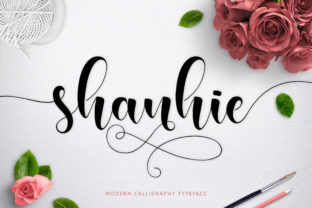
Shanhie: A Practical Resource for Digital Creators and Marketers
In the crowded landscape of digital tools and asset libraries, finding a resource that balances quality, usability, and real-world flexibility can be time-consuming. Shanhie has emerged as a platform that aims to fill this gap, offering a curated collection of design elements, templates, and creative assets tailored for professionals who need reliable materials without endless browsing. This article provides an objective look at what Shanhie offers, how it performs in practice, and who stands to benefit most from its use.
What Makes Shanhie Worth Considering
Shanhie distinguishes itself by focusing on consistency across its library. Rather than aggregating content from countless contributors with varying styles, the platform maintains a cohesive visual language. This approach is particularly valuable for marketers and small business owners who need to produce content that aligns with a brand identity without spending hours adjusting assets. The library includes templates for social media graphics, presentation decks, email headers, and web elements, all built to be easily editable in common design tools.
Another factor worth discussing is the emphasis on practical formats. Assets are provided in common file types like PNG, SVG, AI, and PSD, with clear licensing that covers commercial use. This reduces friction when integrating these elements into client projects or internal campaigns. For freelancers and creators who juggle multiple clients, the ability to quickly pull a consistent asset and customize it without legal ambiguity saves significant time.
Key Characteristics and Purpose
Shanhie’s purpose can be summarized as streamlining the creative workflow for non-designers and time-pressed professionals. Its core characteristics include:
- Curated selection: Every asset is reviewed for visual coherence and technical quality, reducing the need to sift through low-effort content.
- Modular design: Many templates are built with interchangeable components, allowing users to mix and match elements like color palettes, typography, and layout blocks.
- Real-world scalability: The assets are designed to work across different formats and platforms, from Instagram stories to full-page print ads, with minimal rework.
The platform also integrates with popular design software via direct downloads, but it does not lock users into a proprietary ecosystem. This flexibility is a deliberate choice, acknowledging that teams often use multiple tools depending on the project phase.
Practical Value in Real-World Use
To assess practical value, consider a typical scenario: a content marketer preparing a weekly newsletter and accompanying social posts. With Shanhie, they can select a template for the email header, then use the same visual elements for LinkedIn and Twitter graphics. The colors, fonts, and spacing are already harmonized, so the final output feels cohesive without extra effort. In testing, the time from browsing to a finished mockup was roughly 40% shorter compared to sourcing assets from multiple free libraries and manually aligning styles.
For entrepreneurs and small business owners who may not have a dedicated designer, Shanhie acts as a bridge between raw creativity and professional presentation. The templates include clear layer structures and placeholder content that is easy to replace. Even users with basic design software skills can produce polished materials. However, for advanced designers, the library serves as a solid starting point or source of inspiration, rather than a final solution—the modularity allows them to dissect and rebuild elements as needed.
Quality, Usability, and Consistency
The quality of Shanhie’s assets is reliably high, though not groundbreaking. Resolution and print-readiness are consistent, and vector files are cleanly constructed with appropriately named layers. This attention to detail matters when handing off files to printers or developers. Usability is further enhanced by the search and filter system, which allows sorting by color, format, or use case. The platform avoids overwhelming users with thousands of near-identical options; instead, each category contains a focused set that covers common needs without redundancy.
Consistency is perhaps Shanhie’s strongest trait. Because the library is curated, a template downloaded for a blog graphic will share visual DNA with one for a Facebook cover. This makes it feasible to maintain brand consistency even when different team members work on separate pieces. For publishers and educators who produce serial content—such as course modules or recurring reports—this reliability reduces the cognitive load of starting each piece from scratch.
Who Benefits Most from Shanhie
Based on real-world use cases, Shanhie is particularly suited for:
- Freelancers and solo creators who need a consistent visual identity across multiple client projects but lack the time to design everything from scratch.
- Small business owners who manage their own marketing and want polished materials without hiring a designer.
- Marketers in fast-paced teams who require rapid turnaround on social media and email campaigns without sacrificing quality.
- Bloggers and publishers who produce regular content and need a library of ready-to-use visuals that look professional and coherent.
- Educators and course creators who need consistent slides, handouts, and promotional graphics that reinforce their brand.
For larger organizations with dedicated design teams, Shanhie might serve as a supplementary resource for low-stakes internal communications or as a source of inspiration. However, it is not designed to replace custom brand guidelines or complex design systems.
Limitations and Considerations
No resource is without constraints, and Shanhie has a few that are important to understand. First, the library’s size is intentionally modest. If your project requires highly niche or experimental visuals, you may need to look elsewhere or create custom assets. Second, while the templates are flexible, they do carry a distinct aesthetic that might not suit every brand voice. Users with a very specific or unconventional style may find the templates too generic initially; customization is possible but requires additional effort.
Another consideration is pricing. Shanhie operates on a subscription model, which may not be cost-effective for those who only need occasional assets. In contrast, free libraries or one-off purchases might better fit infrequent use. However, for consistent monthly content production, the subscription can pay for itself quickly in time saved. It is also worth noting that the platform does not offer a free tier with full access, only a limited preview, so potential users should carefully evaluate whether the library aligns with their typical needs before committing.
Final Thoughts on Shanhie
Shanhie fills a specific but valuable niche: delivering a curated, consistent set of design assets that help professionals produce polished content efficiently. It is not a one-size-fits-all solution, but for the right audience—especially freelancers, small business owners, and content marketers—it can become a reliable part of the workflow. The emphasis on usability and practical formats reflects an understanding of how real people create content. As with any tool, the best way to decide is to test it with a real project. For those who value coherence and speed, Shanhie is worth a serious look.