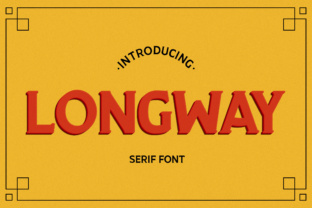
Longway and Intentional Design Choices
Every designer knows the rush of a trend-driven project, but the most rewarding work is built to last. Focusing on a Longway approach means prioritizing strategic thinking, timeless aesthetics, and cohesive brand experiences that mature gracefully rather than fade overnight. In an industry often chasing the next viral visual style, shifting your perspective toward durable design assets can dramatically improve everything from logo design to digital marketing.
The Philosophy Behind the Work
Modern graphic design is frequently judged by its immediate impact. Does it stop the scroll? Is it eye-catching? While these are valid metrics for social media graphics, they rarely account for the longevity of a brand identity. A Longway mindset challenges creatives to build visual systems that remain effective across years of digital marketing, packaging design, and web design evolution. It is a shift from disposable visuals to strategic visual communication that builds trust and recognition over time.
For business owners and designers alike, this means evaluating creative assets not just for their immediate beauty, but for their versatility. A truly great brand identity works just as well on a mobile app icon as it does on a large-format print design billboard. It maintains its visual hierarchy whether viewed in a busy social media feed or a high-resolution annual report.
Branding and Identity Systems
The most effective logo design is rarely the most complex. A Longway approach to branding focuses on shape, proportion, and adaptability. The goal is to create a mark that is indelibly linked to the brand’s values, supported by a robust color palette and typography system that scales without breaking. Instead of chasing a specific design trend, focus on building a system that allows for design inspiration to evolve without losing core recognition.
Digital, UI, and UX Design
In UI design and UX design, a Longway perspective is critical. Interface trends change rapidly, but the principles of usability, accessibility, and clear visual hierarchy remain constant. Designing with a long-term view means choosing typography that excels in readability, selecting interaction patterns that users instinctively understand, and maintaining a clean visual design that reduces cognitive load. This enhances user experience and reduces the need for frequent, costly redesigns.
Marketing and Social Media Graphics
Consistency in digital marketing builds brand equity. Instead of reinventing the wheel for every campaign, a Longway workflow involves creating a library of modular creative assets. This speeds up the design workflow for busy marketing teams and ensures that every social media graphic reinforces the brand’s core identity. Using a consistent grid, type scale, and photo treatment across all advertising campaigns creates a professional presentation that builds audience trust.
Editorial, Print, and Packaging
Editorial design and packaging design are disciplines where longevity has always been valued. A well-designed book or product box remains elegant for years. The principles of print design—grid systems, whitespace management, and tactile material choice—are timeless. Applying these principles to modern aesthetics ensures that physical creative projects feel premium and intentional, whether they are merchandise,presentations, or digital products.
Selecting and Evaluating Design Elements
To adopt a Longway mindset, focus on these key factors when building your next project:
- Consistency: Does every element feel like it belongs to the same family? Cohesion is more important than isolated brilliance.
- Scalability: Test your design at extreme sizes. A great branding element works at 16 pixels and 16 feet.
- Audience Expectations: Effective visual communication speaks the language of its audience. Research what resonates and build upon that foundation.
- Compatibility: How do your new designs fit into existing brand identity guidelines? Seamless integration prevents brand fragmentation.
The Enduring Role of Typography and Color
Typography is the backbone of graphic design. Selecting typefaces with a wide range of weights and excellent letter-spacing controls ensures your text looks professional across all applications. Similarly, a carefully curated color palette can define a brand’s personality. Moving beyond fleeting design trends toward timeless color combinations allows your visual design to feel relevant for years. When these elements work together, they create a clear visual hierarchy that guides the viewer effortlessly through the content.
Actionable Steps for Your Next Creative Project
- Audit your existing creative assets for consistency and visual gaps.
- Define a strict typography scale and color palette before you start designing.
- Create a simple brand guide document to maintain high standards across your team.
- Invest in quality, versatile assets that can be adapted for both web design and print design.
Ultimately, great design is measured not just by its immediate impact, but by its ability to communicate clearly and resonate over time. Whether you are refining a brand identity, building a website, or crafting a packaging design, adopting a Longway perspective on visual communication turns good work into enduring solutions. By focusing on quality, consistency, and strategic intent, designers can create work that truly stands the test of time.