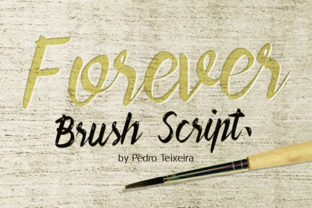
Forever Brush Script: When Hand-Lettered Style Meets Everyday Use
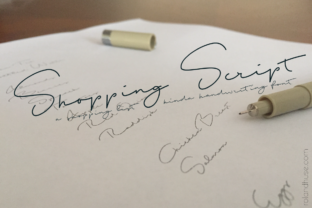
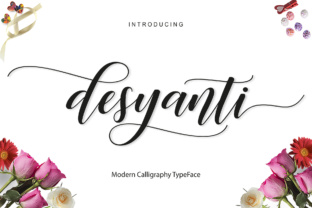
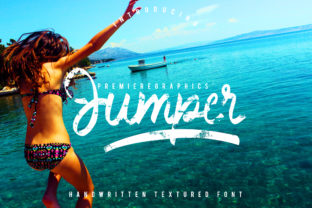
There’s something about brush script that stops people mid-scroll. It’s not just the fluid curves or the way letters seem to dance off the page. It feels human in a world that’s increasingly digital. Forever Brush Script takes that hand-painted energy and turns it into something you can actually work with—whether you’re designing a logo, laying out a menu, or trying to make a wedding invitation feel less like a template and more like a memory. But what does that look like in practice? Let’s walk through real situations where this kind of lettering becomes more than just a pretty typeface.
The coffee shop menu problem
You’ve seen it a hundred times: a chalkboard menu with lettering that’s either too cramped to read or so ornate that customers spend ten seconds trying to figure out if they’re ordering a latte or a matcha. A small café owner I know spent hours every week rewriting her specials board because her handwriting looked rushed after the third cup of coffee. She switched to Forever Brush Script for her printed menus and digital boards. The difference wasn’t just visual—it was practical. Customers started ordering items they’d previously ignored, simply because the names now felt approachable. The brush strokes added warmth without sacrificing legibility, and the consistency meant she didn’t have to redraw anything every Tuesday.
Wedding invitations that don’t scream template
If you’ve ever helped a friend plan a wedding, you know the invitation phase can get tense. Couples want something that feels personal, but custom calligraphy runs expensive fast. I’ve seen Forever Brush Script used in digital invitation suites where the bride or groom wanted that hand-lettered look without hiring a calligrapher for every envelope. The script gives you the organic ups and downs of a real brush pen, but because it’s a consistent typeface, you can scale it across save-the-dates, programs, and thank-you cards without mismatched stroke weights. One couple paired it with a simple sans-serif for body text—clean contrast that let the script carry the emotional weight without overwhelming the details.
Social media creators who need to stop reposting
Content creators live and die by their visual consistency. I follow a lifestyle blogger who used to hand-letter every quote card for Instagram. It looked great, but it took her an hour per post, and she admitted some weeks she just skipped the quote posts altogether because the process drained her. She now builds her graphics using Forever Brush Script as her primary display type. Her feed still has that authentic, handcrafted feel—the kind that makes people stop and read—but she can crank out a quote graphic in under ten minutes. Her engagement actually went up because she posts more frequently, and the script’s natural variation keeps each piece from looking like a cookie-cutter template.
Product packaging that competes on a shelf
Walk down the beauty or wellness aisle of any store, and you’ll notice something: the products that jump out often use script lettering. It signals artisanal, small-batch, or carefully made—even when the brand is anything but small. I talked to a friend who launched a line of organic lip balms. She wanted packaging that felt handmade, but her budget wouldn’t cover a professional illustrator for every flavor variation. She used Forever Brush Script for the product names on her labels, paired with a soft color palette. The result looked like she’d sat down with a brush and ink for each jar, but in reality, she designed one label template and swapped out the flavor names in minutes. The consistency across her product line made the brand look established from day one.
Tattoo studios and flash sheets
This one might sound unexpected, but hear me out. Tattoo artists I’ve worked with often draw flash sheets—those ready-to-ink designs posted on studio walls. Many of them incorporate lettering, whether it’s a single word, a phrase, or a date. Forever Brush Script has shown up in digital flash sheets as reference lettering for clients who want a brush-style tattoo but don’t have a specific phrase in mind. Artists use it to show how a word might sit on the skin, how the strokes would follow body contours, and how the script holds up when scaled down for smaller areas. It’s not a substitute for custom hand-drawn work, but it gives clients a starting point that feels more personal than a standard font.
Etsy sellers and digital product designers
There’s a whole ecosystem of sellers on Etsy who create printable art, planners, and home decor. I’ve seen Forever Brush Script used in everything from motivational wall art to weekly planner headers. The script gives digital products that “I painted this myself” vibe, which is exactly what buyers are looking for when they want something that doesn’t look mass-produced. One seller I follow makes editable PDF wedding seating charts. She uses the script for the couple’s names and table headers, and customers can type in their own guest lists without the formatting falling apart. The script’s stroke contrast holds up even when printed at home on standard paper, which is a huge plus for buyers who don’t have access to professional printing.
What to think about before you commit
No typeface is perfect for every situation, and Forever Brush Script has its own quirks worth noting. First, it’s a display script—meaning it shines at larger sizes. In body copy or small captions, the brush strokes can get muddy, and readability drops. I’ve seen people try to use it for long paragraphs, and it almost always ends up looking chaotic. Keep it for headlines, names, short phrases, or anywhere you want the lettering to be the star.
Second, consider your audience. If you’re designing for an older demographic or a professional service like legal or medical, a brush script might feel too casual. But for creative industries, hospitality, personal branding, or any space where approachability matters, it can be a powerful tool.
Third, pairing matters. Forever Brush Script works best when it has room to breathe. A clean sans-serif or a simple serif for body text lets the script stand out without visual competition. Avoid pairing it with another script or a decorative typeface—that’s when things start looking messy fast.
Finally, test your medium. On screen, the script looks crisp, but if you’re printing on textured paper, some of the finer strokes may get lost. Always run a test print before committing to a large run of anything.
Who gets the most out of it
From what I’ve seen, Forever Brush Script hits hardest for small business owners, solo creatives, and anyone who needs to produce consistent visual content without a design team. If you’re a wedding planner, a baker, a lettering artist building digital assets, or a marketing person at a lifestyle brand, this style of script can become a reliable part of your toolkit. It gives you the human touch without the human inconsistency—which, depending on your workflow, is either a blessing or a trade-off.
If you’re someone who values absolute uniqueness in every stroke, you might miss the quirks of real brush-on-paper work. But if you need to scale your brand, meet consistent deadlines, or keep your visual identity tight across platforms, a well-made brush script typeface offers a middle ground that few other tools can match.
At the end of the day, Forever Brush Script isn’t trying to replace the artist’s hand. It’s trying to give the rest of us a way to borrow that energy without needing years of practice. Whether you’re labeling a product, designing a menu, or building a brand from scratch, it’s worth knowing what a good brush script can do—and what it shouldn’t be asked to do.